How to Tell If You Have Upturned Eyes: Signs, Photo Checks, and Comparisons
A practical guide to upturned eyes, including how to judge the outer-corner angle, how to compare photos without distortion, and how upturned eyes differ from almond, hooded, and downturned eyes.
The quick answer
Upturned eyes are defined by angle more than by size. In a relaxed straight-on view, the outer corners sit slightly higher than the inner corners, which creates a naturally lifted look even before makeup is added.
The easiest check is to imagine a straight line through the inner corners of the eyes. If the outer edges rise above that line, upturned becomes more likely. You still need to look at the overall opening too, because upturned eyes can also be almond, hooded, or slightly round.
This matters because people often mix categories that describe different things. Upturned describes corner direction. Almond describes the overall outline. Hooded describes lid coverage. Close-set and wide-set describe spacing. Once you separate those labels, eye-shape identification becomes much less confusing.
What are upturned eyes?
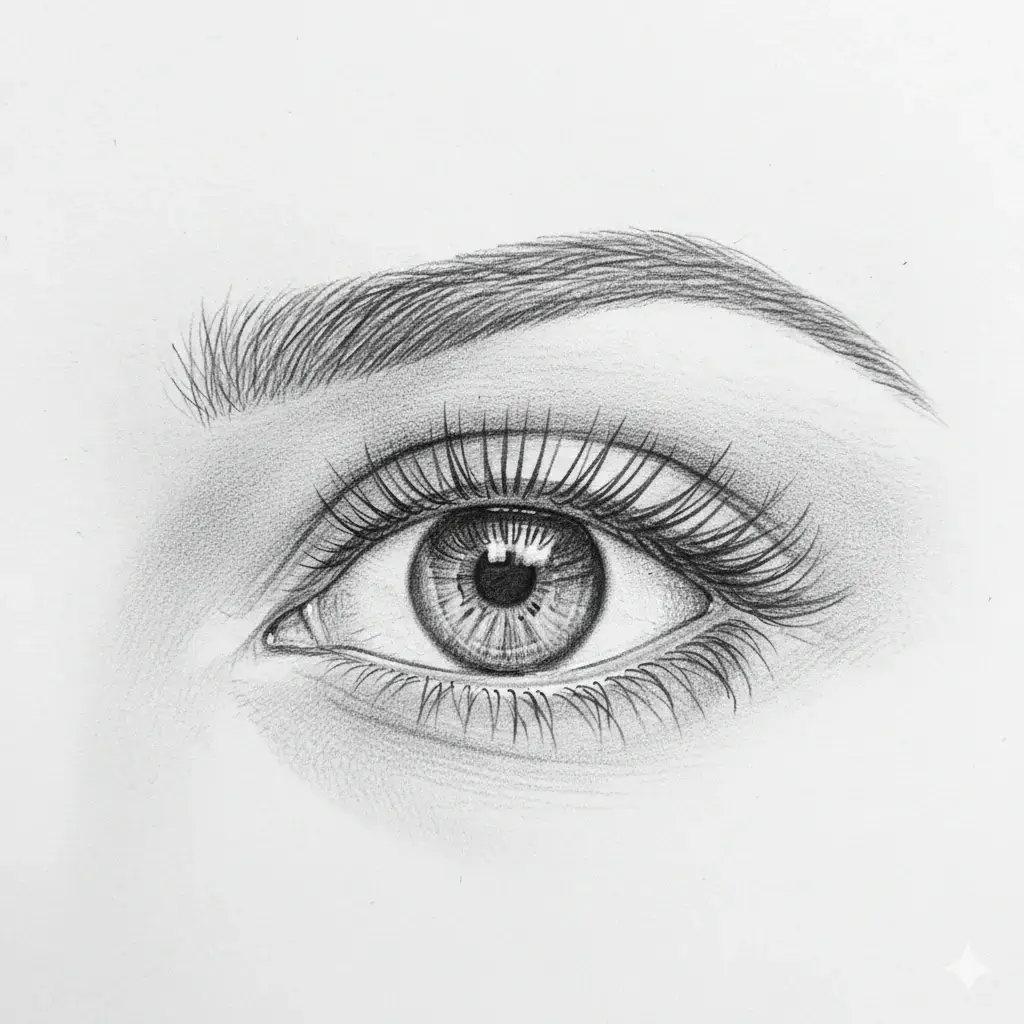
Upturned eyes have an outer corner that sits a little higher than the inner corner when the face is neutral. The lift can be very soft or more obvious, but the key clue is the natural tilt at the outer edge rather than eyeliner, lashes, or expression.
This trait can appear on different base shapes. Some people have upturned almond eyes, where the opening is tapered and the outer corner lifts. Others have a rounder eye that still tilts upward at the edge. That is why no one photo clue should be used alone.
The practical value of this label is not ranking beauty traits. It is understanding why certain liner shapes look easy on your face, why some tutorials exaggerate the lift too much, and why a detector might describe your eyes with more than one term.
A useful way to phrase the check is this: upturned eyes are about the slope of the eye line, not whether the eye is large, almond, round, or hooded. If the outer corner repeatedly sits above the inner corner in neutral photos, the upturned label fits even when another label also describes the outline.
Signs you may have upturned eyes
Use these signs together in a calm mirror view or a clean front-facing photo. One dramatic selfie is not enough to settle the question.
The outer corner sits above the inner corner
This is the main clue. When you look straight ahead, the outer edge of the eye opening appears slightly lifted rather than level or lower.
The eye reads lifted without eyeliner
Even with bare eyes, the shape can look a bit feline or elevated at the edges. Makeup may intensify it, but the lift should still be visible without styling.
Winged liner follows the natural angle easily
People with upturned eyes often notice that a small wing follows the eye's built-in direction instead of fighting against it.
The lift remains when your expression is neutral
A smile, brow raise, or camera tilt can fake lift. The real test is whether the outer corners still look higher when your face is relaxed.
A photo and mirror check that works
Angle-based traits are easy to misread because phone cameras, head tilt, and raised brows can change the apparent slope of the eye. A repeatable check matters more than intuition from one close selfie.
The goal is to compare the eye structure itself, not the mood of the photo. Keep the camera level, use daylight if possible, and judge the outer corner only after your face is relaxed.
Use a straight-on photo at eye level
Choose an image where your face is directly toward the camera and the lens is not far above or below you.
- Avoid heavy beauty filters and portrait blur.
- Do not tilt your chin or angle the camera upward.
- A neutral mouth and relaxed brows help the most.
Draw an imaginary line through the inner corners
Look at where the outer corners land relative to that line. If they rise above it, the eye shape likely includes an upturned trait.
- Compare both eyes because asymmetry is normal.
- Repeat the check on more than one photo.
- Ignore eyeliner while doing this step.
Separate corner angle from the overall outline
After checking the lift, decide whether the opening itself is almond, round, hooded, or something mixed.
- Upturned describes direction, not the whole shape.
- You can have upturned almond eyes at the same time.
- Hooding and spacing should be judged separately.
Compare with a known downturned reference
If you are unsure, compare your photo with a clearly downturned eye example. Seeing both extremes makes subtle lift easier to recognize.
- Downturned eyes sit lower at the outer edge.
- Level eyes look more horizontal than lifted.
- The comparison helps when your lift is slight rather than dramatic.
Repeat the check with one bare-eye and one light-makeup photo
Makeup, lashes, and camera height can exaggerate lift. Use at least one simple photo where your head is level and your eyes are relaxed.
- Keep the camera at eye height.
- Avoid smiling or raising your brows.
- Compare the outer corner against the inner corner, not against eyeliner.
Upturned vs downturned vs almond eyes
These labels overlap in real life, so the cleanest way to compare them is to separate angle from outline. Pay special attention to upturned almond eyes, because that mixed phrase has real search demand and is often misread as one single eye-shape category.
| Feature | Upturned eyes | Comparison label | What to check |
|---|---|---|---|
| Outer-corner angle | The outer corner sits slightly higher than the inner corner. | Downturned eyes place the outer corner lower. Almond eyes may be level, lifted, or slightly lowered. | Imagine a straight line through the inner corner and compare the far edge. |
| Overall impression | The eye looks naturally lifted or cat-eye-like. | Downturned reads softer or sleepier. Almond reads tapered but not necessarily lifted. | Look at the eye without liner first, then compare with a bare-eye photo. |
| Common confusion | Often mistaken for almond eyes because both can look sleek. | Almond is about shape outline, not only the corner angle. | Judge taper and iris visibility separately from corner direction. |
| Makeup behavior | Small wings usually follow the natural line easily. | Downturned eyes often need a softer lifted placement if the goal is visual balance. | See whether a straight wing follows your eye or fights it. |
| Upturned almond eyes | The eye is tapered like an almond and the outer corner also lifts upward. | This is not a separate third category. It is almond outline plus upturned angle. | First judge taper and iris exposure, then judge the outer-corner slope. |
Makeup and styling notes for upturned eyes
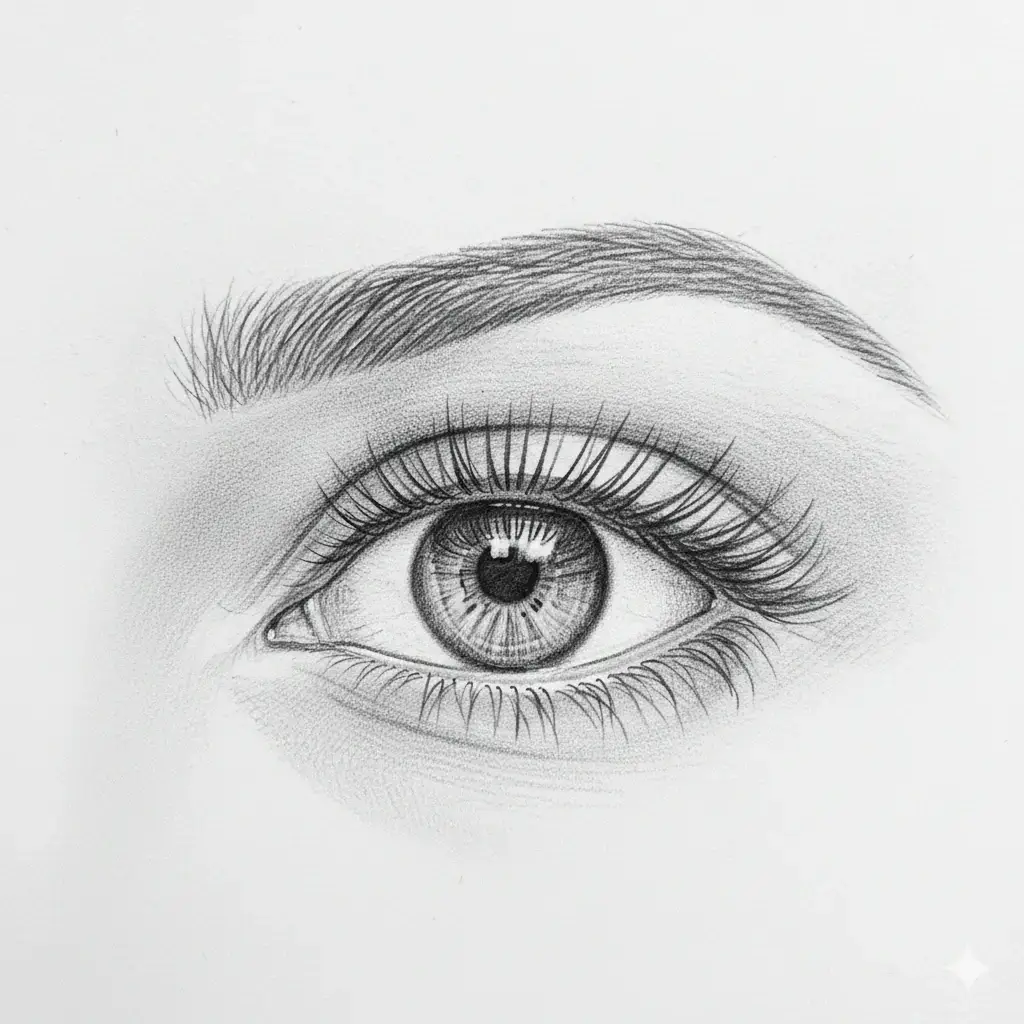
Upturned eyes often work well with styles that respect their natural lift instead of trying to create one from scratch. The goal is usually balance and definition, not overcorrection.
That does not mean every dramatic wing will suit every face. Lid space, hooding, lash density, and spacing still matter, so use the upturned label as one part of the styling decision rather than the whole answer.
What often works
- Short or medium wings that follow the natural outer-corner direction.
- Definition focused on the upper lash line rather than heavy lower-lash shadow.
- Blending that keeps the outer third lifted and clean.
- Balanced liner thickness so the shape stays visible instead of becoming heavy.
What to avoid overdoing
- Do not assume every lifted liner tutorial fits your lid space.
- Avoid judging the angle from one close wide-angle selfie.
- Do not confuse strong mascara with a true corner lift.
- Avoid forcing a dramatic wing if your lift is subtle and your lids are hooded.
Limits and common mistakes
The biggest mistake is reading expression instead of structure. A smile can lift the outer corners. Raised brows can make the eye look more alert. A camera held slightly below the face can exaggerate the upward tilt.
Another common mistake is assuming that upturned and almond mean the same thing. Many upturned eyes are also almond, but not all. The difference matters because shape guides and makeup suggestions often target one trait more than the other.
Finally, remember that slight asymmetry is normal. One eye may look a little more lifted than the other, especially in photos. Use repeated checks and not a single frame to decide.
When an AI eye shape detector can help
An AI detector is useful when the lift is subtle or when your eyes combine several traits, such as upturned almond eyes or hooded eyes with a slight upward tilt. A good result should examine corner angle, overall outline, iris exposure, lid coverage, and spacing together.
For the most useful result, upload a front-facing image with relaxed brows, clear light, and minimal makeup distortion. Then compare the output with the photo checks in this guide instead of treating the tool as a one-word verdict.
Want a second opinion from a photo?
Upload a relaxed front-facing image, then compare the AI result with the outer-corner angle and shape checks above.
Frequently asked questions
Upturned eyes have outer corners that sit slightly higher than the inner corners when the face is relaxed and viewed straight on.
Use a straight-on photo, imagine a line through the inner corners, and see whether the outer edges rise above it. Then separate that angle check from almond, hooded, or round traits.
No. Upturned describes corner direction, while almond describes the overall outline of the eye opening. Many people have both traits at once.
Upturned eyes lift at the outer corners. Downturned eyes place the outer corners lower than the inner corners, which creates a softer downward angle.
Yes. Hooded describes lid coverage, not corner angle, so hooded eyes can absolutely still be upturned.
Many people suit a liner shape that follows the natural lift at the outer edge. The exact thickness and wing length still depend on lid space, hooding, and your preferred look.
Yes. Upturned almond eyes have an almond-shaped outline plus an outer corner that sits a little higher than the inner corner. The outline and the angle are separate observations.
Use a straight-on photo and imagine a level line through the inner corner. If the outer corner sits above it, the eye is upturned; if it sits near the line, it is more horizontal; if it sits below, it is downturned.
References and further reading
These links support the eye-shape vocabulary and help readers continue the identification process.